


Magnesium in Sport
Magnesium - essential for athletes
Anyone who trains regularly challenges their body – and with it, their mineral balance. Magnesium is a true key mineral in sport: During intense exertion, magnesium is lost through sweat, and at the same time it contributes to normal muscle function and to the reduction of tiredness and fatigue. That is precisely why, for many athletes, magnesium is a firm part of their daily intake and training routine. In this category you will find high-quality magnesium from Natural Power – as fast-available citrate powder, as Magnesium Direct without water and as practical capsules with two magnesium sources.
 Filter






About the effects of magnesium
Magnesium is an essential mineral and involved in countless processes in the body. Among other things, it supports normal muscle and nerve function, energy metabolism, and the maintenance of bones and teeth.
During intense physical exertion, magnesium requirements may be increased, as magnesium, depending among other things on the duration and intensity of exertion, is lost through sweat and is important for normal muscle function. Endurance athletes in particular, or people with regularly high levels of physical activity, therefore often pay attention to an adequate magnesium intake.
According to the DGE, the reference value for adults is around 300 - 400 mg of magnesium per day. With intensive physical activity, the requirement may be higher. Important: In addition to your normal diet, you should not take more than around 250 mg per day from dietary supplements, and ideally spread this amount over the course of the day. This way, you supply your body evenly and gently.
Not all magnesium is the same. What matters is the compound used and the timing of intake. Whether you choose magnesium citrate, magnesium direct, or magnesium capsules – you’ll get the right magnesium for sports and everyday life. Discover the right magnesium for athletes in the Natural Power range now:
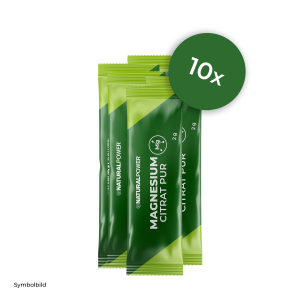
- Our Magnesium Citrate is an organic magnesium salt in its purest form, well tolerated and without artificial additives. It dissolves well in water and is quickly absorbed by the body. Ideal if you want to mix your magnesium flexibly into water or juice and want fast support around training.
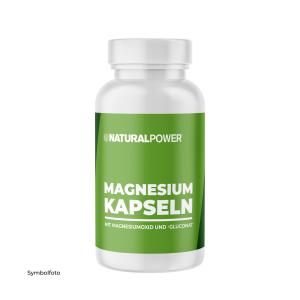
- Magnesium Capsules from Natural Power combine two high-quality sources: magnesium gluconate is absorbed quickly, magnesium oxide more slowly and therefore longer-lasting. This way you benefit from a fast yet continuous supply – no mixing required, perfect for on the go.
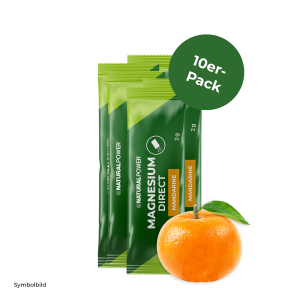
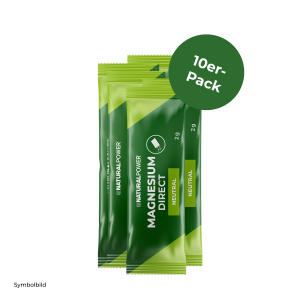
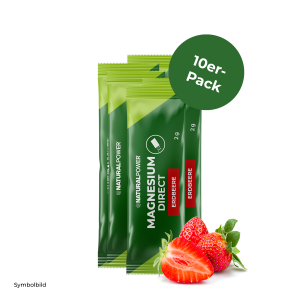
- Magnesium Direct: Fast and convenient magnesium intake, without water. The perfectly balanced combination of trimagnesium citrate and magnesium oxide can be taken directly on the tongue without water.
Which form is right for you depends mainly on your daily routine, the
desired time of intake, and your personal tolerance.
Magnesium is often used to relieve muscle cramps, but the scientific evidence is not clear-cut. Some people report positive experiences, while studies have only been able to confirm the effect to a limited extent.
In principle, you can take magnesium at any time of day. Many athletes take it directly after training or in the evening to compensate for the loss caused by sweating. What matters less is the exact time than regular daily intake with sufficient fluids.
Yes – excessive amounts can cause diarrhea, abdominal cramps, or nausea. According to the consumer advice center, additional amounts from around 300 mg per day can already trigger gastrointestinal complaints. Very high dosages can be harmful to health.
Magnesium is found, among other things, in nuts, legumes, whole-grain products, green vegetables and mineral-rich water. Healthy people with a balanced diet often do not need additional dietary supplements. However, during intense physical exertion, the magnesium requirement may be increased – dietary supplements can help to cover the additional need.
Common signs can include fatigue, nervousness, tingling, or concentration problems. However, an actual deficiency should be medically clarified, as the symptoms can also have other causes.
Magnesium can affect the absorption of other minerals such as iron, calcium or zinc . These should not be taken together. In addition, magnesium can interact with certain medications. Therefore, medical advice should be sought if you take medication regularly.